

Protein has become one of wellness culture’s favorite words. It’s added to yogurts, bars, shakes and almost everything.
But behind the marketing is something genuinely important.
Eating enough protein is one of the most useful nutritional habits we can build for long-term health. And many of us, particularly as we get older or life gets busier, may not be eating as much as would optimally support our muscles, recovery and everyday energy.
The good news? You don’t need to turn every meal into a bodybuilder’s lunch.
You simply need to be a little more intentional.
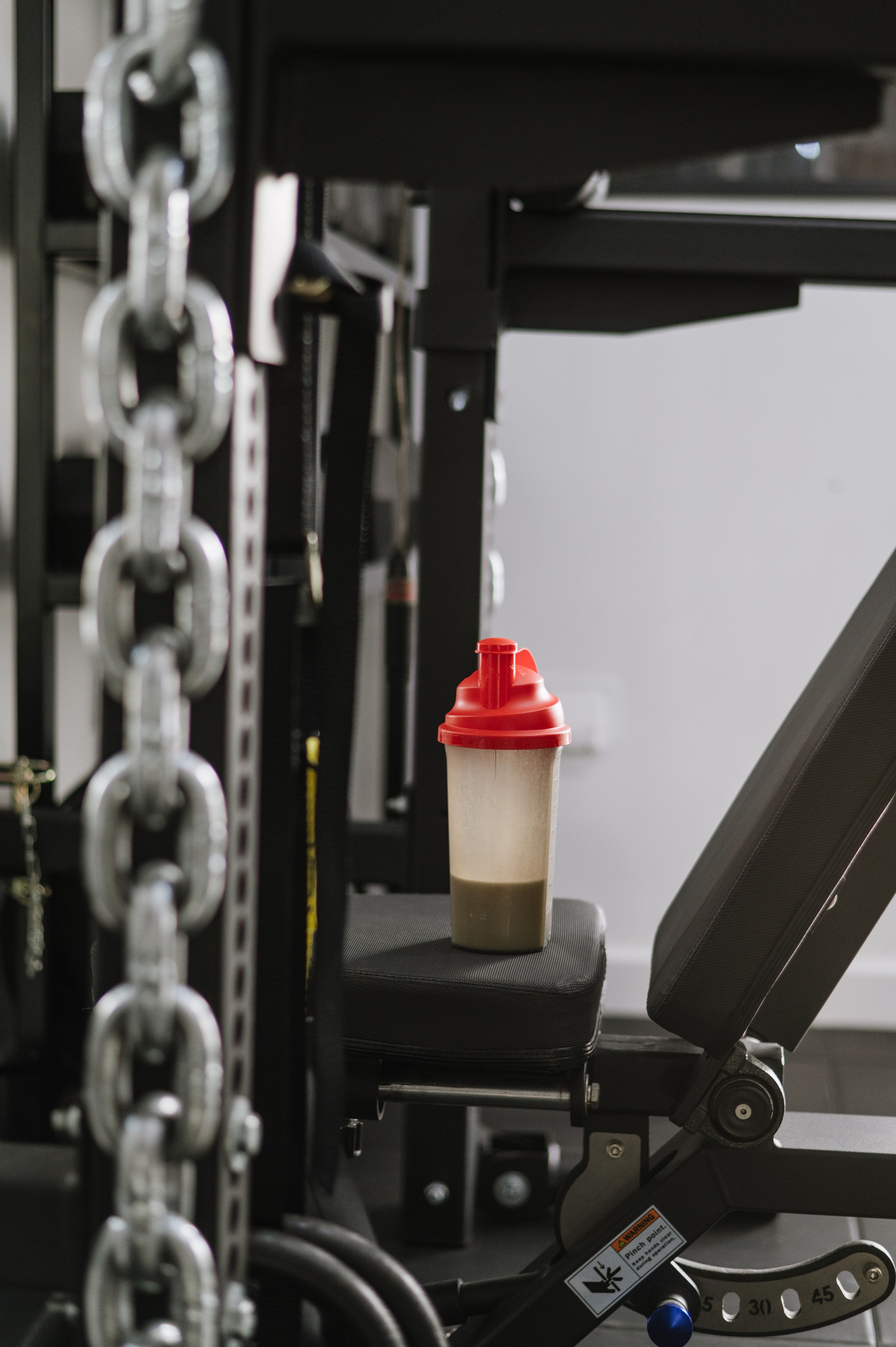
Protein is about much more than muscle
We often associate protein with gyms and muscle growth. But protein is involved in almost every part of the body.
We need amino acids, the building blocks of protein, to maintain and repair tissues, produce enzymes and hormones, support immune function and preserve muscle.
And that last point becomes increasingly important with age.
Muscle isn’t just something that makes us look strong. It helps us stay mobile, supports metabolic health, protects our bones and allows us to continue doing the things we love.
Think hiking in the mountains at 70. Carrying your own suitcase. Playing with your grandchildren. Getting up from the floor without thinking twice.
Muscle is part of longevity infrastructure.
And preserving it requires two things in particular: using your muscles and giving your body enough protein to maintain them.
The problem with the typical busy-day diet
Consider a familiar weekday.
Coffee and perhaps a croissant for breakfast.
A salad for lunch.
A quick pasta dinner.
None of those foods is inherently a problem. But together, they can leave protein as an afterthought.
Many people eat most of their daily protein at dinner while breakfast and lunch contain relatively little.
A more useful approach is to ask one simple question each time you eat:
Where is the protein in this meal?
Not: Is this meal perfect?
Not: How many calories does it contain?
Just: Where is the protein?
That question alone can transform the nutritional quality of your day.
Start with the plate, not the protein powder
Supplements can be convenient, but most of your protein can come from ordinary foods.
Eggs. Greek yoghurt or skyr. Cottage cheese. Fish. Chicken. Tofu. Tempeh. Lentils. Beans. Edamame. Quality meat. Fermented dairy.
The goal is not to obsess over numbers. It’s to make protein a visible part of your meals.
Breakfast could become eggs with vegetables and sourdough rather than toast alone.
Lunch might be a salad with lentils, salmon, chicken, tofu or beans rather than leaves and vegetables without a substantial protein source.
Dinner might pair roasted vegetables with fish, tempeh or another quality protein.
And when life gets hectic, a simple yogurt, boiled eggs or protein shake can be far more useful than waiting for nutritional perfection.
Distribution matters too
There’s another useful shift: don’t save all your protein for dinner.
Including a meaningful source at breakfast, lunch and dinner gives your body repeated opportunities throughout the day to support muscle maintenance and recovery.
For many people, breakfast is the easiest place to improve.
Instead of asking yourself to redesign your entire diet this week, start there.
Add eggs.
Choose a higher-protein yogurt.
Mix cottage cheese into something savory.
Add tofu or smoked salmon.
Or make a smoothie that contains a genuine source of protein rather than mostly fruit.
Small changes compound.
More isn’t always better
Protein matters. But this isn’t an invitation to build your diet around enormous steaks and protein bars.
Longevity nutrition is bigger than any single macro-nutrient.
We still need fibre. Plants. Healthy fats. Fermented foods. Micro-nutrients. Variety.
The aim is balance.
Try this next
Forget complicated tracking for one day.
At each meal, simply identify your main protein source.
Breakfast: Where’s the protein?
Lunch: Where’s the protein?
Dinner: Where’s the protein?
If the answer isn’t obvious, add one.
Longevity doesn’t always require another supplement, wearable or optimization protocol.
Sometimes it begins with something much simpler.
Eat enough protein. Use your muscles. Repeat for life.
With health and love,
Miral & Adam
Team Naia
🌿 Join us on Instagram on this journey toward better living.
Naia Live | Redefine Health and Longevity.
Zurich, Switzerland 🇨🇭
[Instagram: @live.naia]