

Why the number on the scale matters less than what’s happening deep inside your body.
Most people think excess body fat is something they can see.
The soft layer around the waist. The jeans that fit a little tighter. The extra kilograms that appear after a stressful quarter at work.
But one of the biggest threats to long-term health is often invisible.
It’s called visceral fat, and unlike the fat you can pinch under your skin, it wraps itself around your organs deep inside your abdomen. You can’t see it. You can’t always feel it. Yet it has a powerful impact on how you age, how you feel, and how long you stay healthy.
The good news? Visceral fat responds remarkably well to the right lifestyle habits.
At Naia, we believe longevity isn’t about extreme diets or chasing perfection. It’s about understanding your body and making small, sustainable choices that compound over time.
Let’s explore why visceral fat matters and what you can do about it.
What Exactly Is Visceral Fat?
Your body stores fat in different places.
Subcutaneous fat sits just beneath the skin. It’s the fat you can pinch on your arms, thighs, or stomach.
Visceral fat is different. It accumulates around vital organs such as the liver, pancreas, and intestines.
While some visceral fat is normal and necessary, excess amounts can become metabolically active in harmful ways. Rather than simply storing energy, it releases inflammatory substances and hormones that can disrupt normal bodily function.
Think of it this way:
Subcutaneous fat is often a cosmetic concern.
Visceral fat is a health concern.
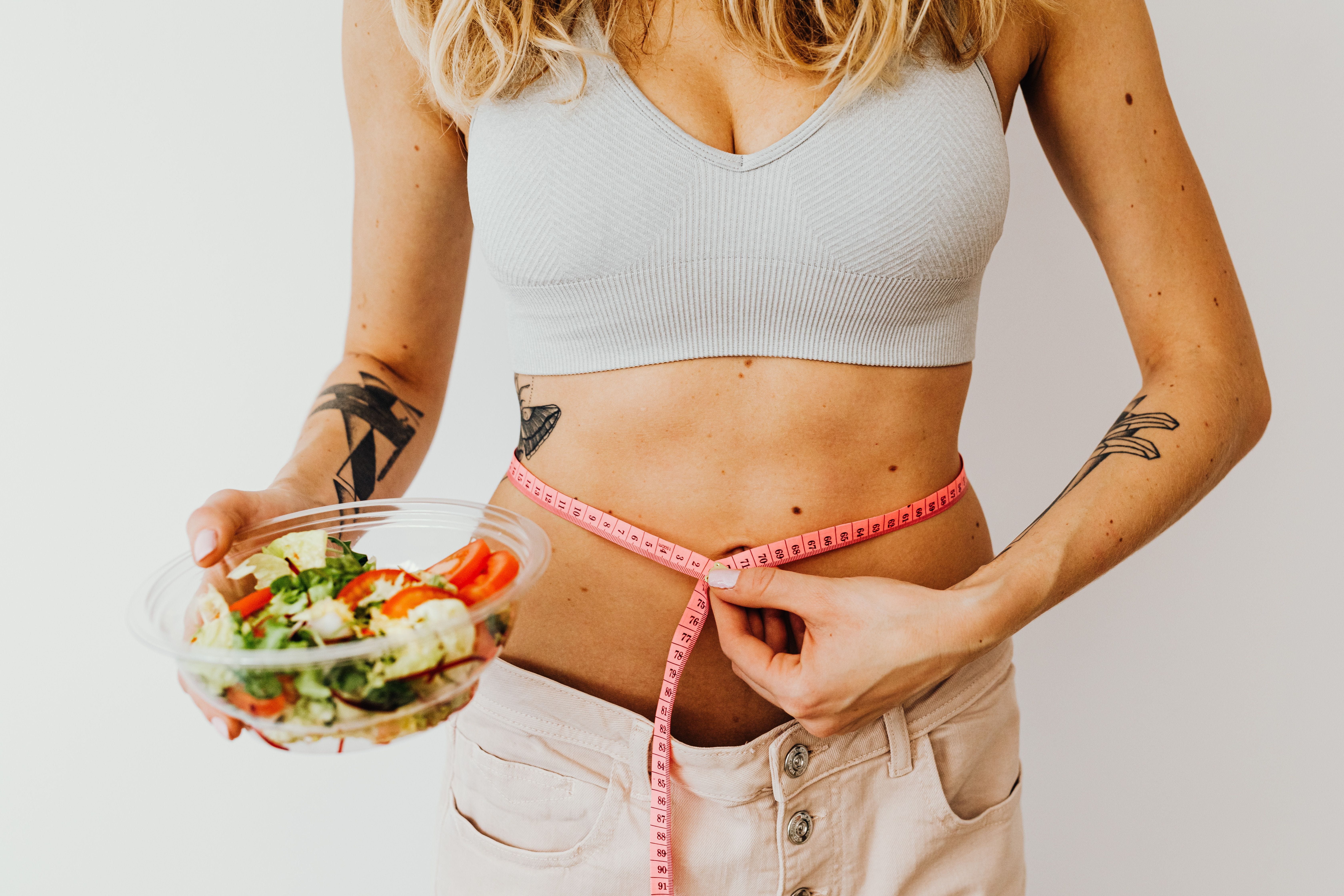

Researchers increasingly view visceral fat as one of the strongest indicators of future health risks.
Higher levels of visceral fat are associated with:
Insulin resistance and type 2 diabetes
Cardiovascular disease
High blood pressure
Fatty liver disease
Chronic inflammation
Cognitive decline
Reduced lifespan
One reason is that visceral fat creates a constant low-grade inflammatory state throughout the body.
Inflammation isn’t always bad. It’s essential for healing and recovery.
The problem arises when inflammation becomes chronic.
Over years and decades, chronic inflammation can accelerate biological aging, damage blood vessels, impair metabolic health, and increase disease risk.
In other words, visceral fat doesn’t just affect how you look.
It affects how you age.
The Modern Lifestyle Is Designed to Create It
Many of us live in environments that quietly encourage visceral fat accumulation.
Long workdays.
Back-to-back meetings.
Late-night emails.
Poor sleep.
High stress.
Convenient ultra-processed foods.
Little movement between morning and evening.
Sound familiar?
For many professionals, visceral fat isn’t simply a consequence of eating too much. It’s often the result of a lifestyle that keeps the body in a constant state of stress.
When cortisol, the body’s primary stress hormone, remains elevated for long periods, the body becomes more likely to store fat around the abdomen.
This helps explain why someone can exercise regularly yet still struggle with stubborn belly fat if stress and sleep remain unaddressed.
Longevity isn’t only about nutrition.
It’s about creating conditions where the body feels safe enough to function optimally.

Here’s the encouraging part. Visceral fat is often more responsive to lifestyle changes than subcutaneous fat.
The goal isn’t punishment. The goal is metabolic health.
1. Prioritize Protein and Whole Foods
Focus on meals built around:
High-quality protein
Vegetables
Healthy fats
Fiber-rich carbohydrates
Protein helps preserve muscle mass, regulate appetite, and support metabolic health.
Fiber improves blood sugar control and supports a healthy gut microbiome.
Small improvements repeated consistently outperform restrictive diets every time.
2. Strength Training Is Non-Negotiable
Muscle is one of the strongest predictors of healthy aging.
Strength training improves insulin sensitivity, increases metabolic rate, and helps reduce visceral fat over time.
You don’t need to live in the gym.
Two to four sessions per week can make a meaningful difference.
Move with purpose, not punishment.
3. Walk More Than You Think You Need To
One of the most underrated longevity tools is walking.
Daily movement helps regulate blood sugar, reduce stress, improve cardiovascular health, and support fat loss.
Aim for regular movement throughout the day rather than relying solely on a single workout.
A 15-minute walk after meals may be more powerful than many people realize.
4. Protect Your Sleep
Poor sleep is strongly associated with increased visceral fat accumulation.
When sleep suffers:
Hunger hormones become dis-regulated
Cravings increase
Recovery declines
Insulin sensitivity worsens
If you’re looking for a high-return longevity investment, start with sleep.
The latest supplement or biohacking gadget won’t compensate for chronic sleep deprivation.
5. Reduce Chronic Stress
Many people focus on calories while ignoring cortisol.
Yet chronic stress can be one of the biggest drivers of abdominal fat storage.
Simple practices can have profound effects:
Daily walks
Breathwork
Meditation
Journaling
Time in nature
Meaningful social connection
Longevity isn’t just physical.
It’s emotional and psychological too.
The Bigger Picture
The conversation around body fat often becomes overly focused on aesthetics. But the real question isn’t:
“How do I get a flatter stomach?”
It’s:
“How do I create a body that supports the life I want to live?”
The answer isn’t found in quick fixes. It’s found in daily habits. Better sleep. Better nutrition. Regular movement. Less stress. More awareness.
These may sound simple.
That’s because they are.
But simple doesn’t mean easy.
It means effective.
Miral & Adam
Team Naia
🌿 Join us on Instagram on this journey toward better living.
Naia Live | Redefine Health and Longevity.
Zurich, Switzerland 🇨🇭
[Instagram: @live.naia]