

For decades, longevity research has chased a seductive question. Why do some animals seem to age almost imperceptibly, while humans and other mammals decline in such a predictable way?
Tortoises, salamanders, and certain reptiles can live extraordinarily long lives with little evidence of functional decay. Many continue reproducing late into life. Some regenerate limbs, organs, even parts of their nervous system. Mammals, by contrast, age fast, lose regenerative capacity early, and experience a sharp rise in disease and mortality with time.
A compelling evolutionary idea offers a surprising explanation. The answer may lie not in modern lifestyles or metabolism alone, but in a deep historical constraint dating back to the age of dinosaurs.
This idea is known as the longevity bottleneck hypothesis, first articulated in a recent scientific paper that reframes how we think about ageing in mammals
For more details, please read the full scientific paper on this link.
The strange uniformity of mammalian ageing
Across mammals, ageing follows a remarkably similar pattern. Mortality rises exponentially with age. Fertility declines. Tissue repair weakens. Cancer and degenerative diseases become more likely.
This consistency is striking because mammals vary enormously in size, environment, and lifespan. A mouse and a whale live in radically different worlds, yet both exhibit the same fundamental ageing trajectory.
Compare this with reptiles and amphibians. Their ageing rates are wildly diverse. Some species age quickly. Others barely age at all. In demographic terms, some show what scientists call negligible senescence. Their risk of death does not meaningfully increase with age.
The question is not why mammals age. Evolutionary biology has solid answers there. The question is why mammals seem incapable of evolving the extreme slow ageing seen elsewhere in the vertebrate tree.
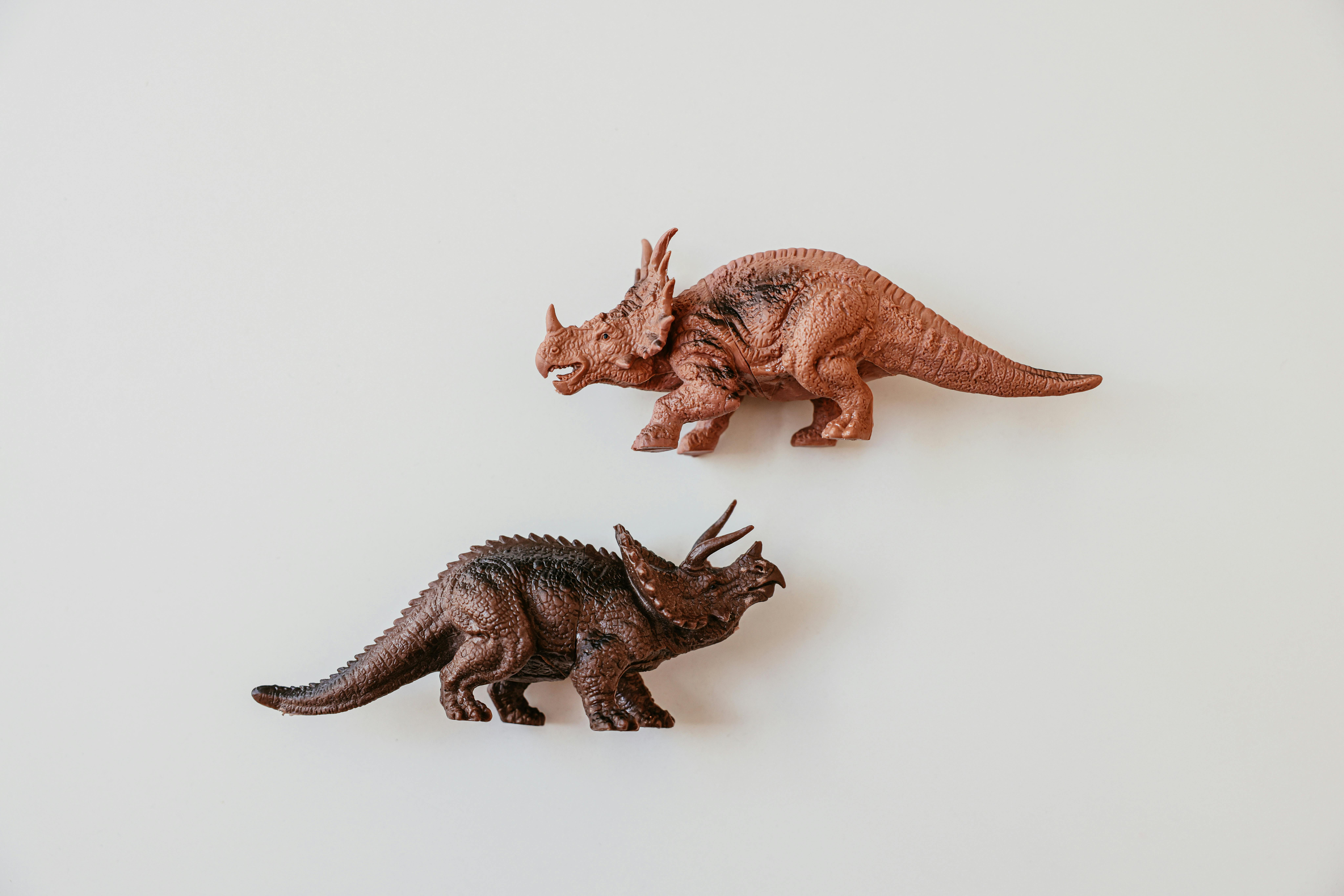

To understand the bottleneck, we need to rewind more than 100 million years.
During the reign of the dinosaurs, mammals were not dominant creatures. They were prey. Small, nocturnal, fast-breeding animals eking out survival under constant predation pressure.
In such an environment, longevity is not an advantage. Survival to old age is unlikely. Natural selection strongly favours traits that enable rapid growth, early reproduction, and short generation times.
The hypothesis argues that this prolonged evolutionary pressure created a bottleneck. Over tens of millions of years, early mammals likely lost or silenced genes involved in long-term maintenance. DNA repair pathways, regenerative mechanisms, and slow-ageing traits simply did not offer enough immediate survival benefit to be retained.
Once lost, evolution does not easily reverse course.

When the dinosaurs disappeared, mammals rapidly diversified. Body sizes increased. Lifespans lengthened. Intelligence, social complexity, and behavioral flexibility flourished.
But this expansion happened under constraint.
The longevity bottleneck hypothesis proposes that modern mammals evolved longer lives using a compromised biological toolkit. We extended lifespan, but without restoring the deep regenerative and repair capacities seen in reptiles and amphibians.
This helps explain several peculiar features of mammalian biology.
Reproductive senescence is common. Tooth erosion is irreversible. Limb regeneration is absent. Even the longest-lived mammals still show faster demographic ageing than many reptiles.
In short, mammals learned how to live longer. They never fully relearned how not to age.

If ageing reflects deep evolutionary trade-offs, then sustainable longevity cannot rely on hacks or shortcuts. It requires consistency, restraint, and respect for biology.
Daily movement that supports repair rather than exhausts it. Nutrition that reduces metabolic stress rather than amplifies it. Mental practices that dampen chronic stress, a known accelerator of ageing pathways.
Technology has a role, but only when it helps us see patterns clearly and act with intention. Data should inform habits, not replace them.
The longevity bottleneck hypothesis reminds us that we are not broken. We are constrained. And within those constraints lies enormous room to live better.
Dinosaurs may have shaped how we age. Our choices still shape how well we live.
Thanks for reading.
Team Naia
🌿 Join us on Instagram on this journey toward better living.
Naia Live | Redefine Health and Longevity.
Zurich, Switzerland 🇨🇭
[Instagram: @live.naia]